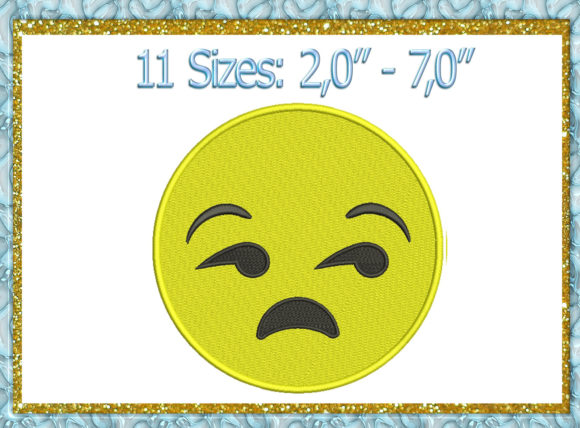
Unamused Emoji: A Designer’s Review for Craft Fairs
As an embroidery designer who has spent countless hours hunched over hoops and navigating the chaotic energy of weekend craft fairs, I have learned that personality sells. When I first loaded the Unamused Emoji onto my digitizing software, I was immediately struck by its potential. In a market saturated with overly cheerful slogans and generic floral motifs, this design offers something refreshingly different: attitude. It is not just a machine embroidery design; it is a conversation starter. For those of us running small shop products or Etsy stores, finding a design that stops a customer in their tracks is half the battle. This review breaks down how this specific digital embroidery file performs in real-world production scenarios, from booth displays to finished product durability.
First Impressions and Visual Appeal
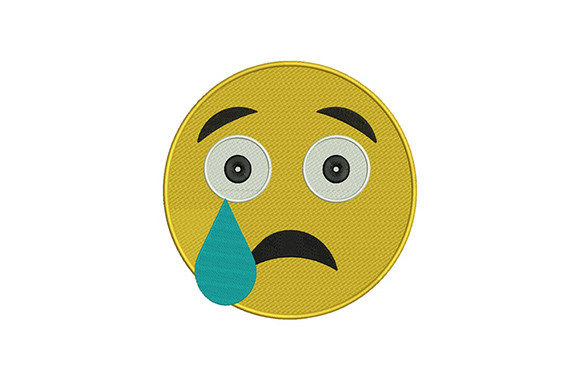
The initial glance at the Unamused Emoji reveals a modern, minimalist aesthetic that leans heavily into humor. It does not try to be elegant or rustic; instead, it embraces a bold, contemporary vibe that resonates with millennial and Gen Z buyers. The expression is clear even from a distance, which is crucial for a craft fair product. When you are competing for attention in a crowded aisle, your design needs to communicate its message instantly. This emoji does exactly that. It feels like a premium addition to any collection focused on wit and modern home decor. While the product category is listed under Family, the tone is distinctly individualistic, making it perfect for personalized gifts that reflect the recipient’s unique sense of humor rather than traditional familial sentiments.
Product Versatility and Market Fit
The true test of any embroidery file is its versatility across different substrates. I evaluated the Unamused Emoji on several common craft fair items to determine where it shines brightest.
- Tote Bags: This is arguably the strongest application. A canvas tote bag provides a flat, stable surface that allows the stitch density to lay flat without puckering. The contrast of black thread on natural cotton creates a striking visual that appeals to shoppers looking for unique apparel designs or everyday carryalls.
- Aprons and Tea Towels: Kitchen textiles are staple sellers. The apron embroidery works well because the design sits comfortably on the bib or pocket area. For tea towel embroidery, caution is required regarding fabric texture. Textured waffle weaves can distort small details, so a smoother linen or cotton blend is recommended to maintain the clarity of the unimpressed expression.
- Embroidered Patches: Creating an embroidered patch allows for batch production efficiency. You can hoop a large piece of felt or twill, stitch multiple instances of the design, and then cut them out. This turns the design into a low-cost, high-margin small shop product that customers can iron onto jackets or bags later.
- Caps and Headwear: Curved cap surfaces present a challenge. The design must be scaled correctly to avoid distortion on the front panel. If the stitch density is too high, the cap may pucker. However, if executed with proper stabilizer, it becomes a trendy accessory that stands out in a sea of generic logos.
Production Practicality for Sellers
For embroidery business owners and creative entrepreneurs, time is money. The Unamused Emoji appears to be optimized for speed without sacrificing quality. Its lines are clean, suggesting that it does not require excessive thread changes or complex underlay structures that slow down production. This makes it ideal for repeatable batch production, a key factor for anyone preparing inventory for a busy holiday market or Etsy seller rush.
Photography is another critical component. The bold lines of the emoji photograph exceptionally well for online listings. It creates a strong focal point in printable mockup images, allowing potential buyers to visualize the finished product clearly. Whether you are creating design assets for social media or updating your digital storefront, the high contrast and recognizable shape ensure that the image pops on small mobile screens.
Technical Considerations and Careful Use
While the design is robust, there are technical nuances to consider before committing to a large run of commercial embroidery. Always check the specific stitch density provided in the file details. Dense stitch areas can cause fabric to pull, especially on lighter materials like chiffon or thin polyester. To mitigate this, use a high-quality cut-away stabilizer for stretchy fabrics and a tear-away for stable woven cottons.
Tiny details can sometimes get lost if the design is scaled down too far. If you plan to use this on small items like fabric pouches or keychains, ensure the hoop size is appropriate and that the design remains legible. Dark fabric requires careful thread color selection; while black-on-black can look sophisticated, it may lack the impact needed for a craft fair booth. Opt for high-contrast thread colors like white, bright yellow, or neon pink to ensure the expression is visible from three feet away.
Enhancing Brand Consistency and Buyer Engagement
Incorporating the Unamused Emoji into your product line can strengthen your brand identity if your shop leans toward the quirky, modern, or sarcastic side of handmade goods. It signals to customers that your brand has a voice. This emotional connection drives buyer engagement. People do not just buy an item; they buy the feeling it gives them. In this case, the feeling is one of shared amusement and relatable indifference to the chaos of daily life.
When setting up your booth display, use this design on items that are easily accessible. Hang tote bags at eye level and place patches in clear bins. The humor acts as an icebreaker, encouraging customers to approach your table and start a conversation. This interaction is invaluable for building a loyal customer base for your handmade product business.
Final Designer Notes and Recommendations
Before you launch this design into your store, follow these practical steps to ensure professional results:
- Test on Scrap Fabric: Always run a test stitch-out on the exact fabric you intend to sell. Check for puckering, thread breaks, or registration issues.
- Review Spacing and Hoop Size: Confirm that the design fits comfortably within your standard hoop size without hitting the edges. Leave ample margin for hooping errors.
- Check Commercial Licensing: The product description mentions it comes with certain rights, but always verify the specific terms for commercial embroidery. Ensure you are cleared to sell finished products featuring this digital embroidery file.
- Create Real Mockups: Do not rely solely on digital previews. Stitch the actual item, photograph it in natural light, and use these images for your listings. Authentic photos convert better than generic graphics.
- Compare Fabric Colors: Test the design on at least three different fabric shades to see which combination offers the best visual appeal and readability.
In conclusion, the Unamused Emoji is a strong contender for any embroidery designer looking to expand their repertoire with something fresh and marketable. It balances ease of production with high visual impact, making it a reliable choice for both novice crafters and seasoned professionals. By paying attention to fabric choice, stabilizer selection, and strategic placement, you can turn this simple digital asset into a best-selling staple of your craft fair inventory.