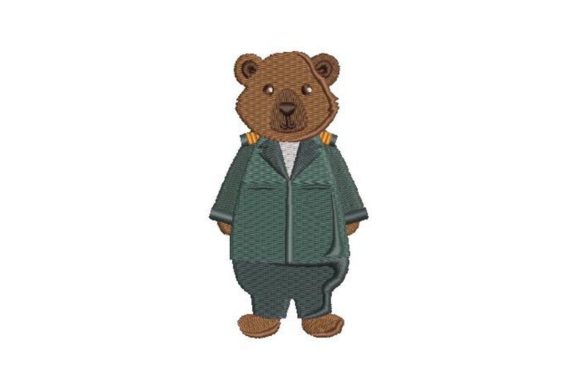
Bear EMT: A Seasonal Embroidery Design Review
As an embroidery designer constantly scouting for the next big hit in my seasonal collection, I approach every new digital embroidery file with a critical eye. It is not just about whether the design looks cute on a screen; it is about how it translates to fabric, how it resonates with holiday shoppers, and whether it can withstand the rigors of a busy production schedule. Today, I am reviewing Bear EMT, a charming motif featuring an adorable teddy bear dressed as an emergency medical technician. This design sits at the intersection of the perennially popular Teddy Bears category and the specific niche of medical appreciation, making it a potent contender for holiday product lines.
First Impressions and Seasonal Mood
Upon loading the preview of Bear EMT, the immediate feeling is one of warmth and gratitude. The aesthetic is undeniably playful yet respectful, capturing the "cute" factor essential for gift-giving while honoring the serious profession of emergency medicine. For the upcoming holiday season, this design exudes a cozy, nostalgic vibe that fits perfectly with the trend of heartfelt, personalized gifts. It does not scream "Christmas" in the traditional red-and-green sense, which is actually a strength. Instead, it offers a versatile decorative style that works for winter holidays, Valentine's Day (for the healthcare worker in your life), or even back-to-school seasons for nursing students.
The detail level appears sufficient for a machine embroidery design intended for small to medium applications. The uniform details on the bear suggest a thoughtful digitizing process, aiming for clarity without excessive stitch clutter. This balance is crucial when targeting customers who want a premium look on items like tote bags or pillow covers without the bulk of heavy stitching.
Real-World Holiday Selling Scenarios
When planning a small shop product lineup for Etsy or craft fairs, versatility is key. Bear EMT shines in several specific selling situations:
- Gift Bundles: Imagine pairing a sweatshirt featuring this design with a matching mug and a set of coasters. The emotional connection to healthcare workers makes this an ideal bundle for hospital staff appreciation during the holidays.
- Limited Edition Apparel: Creating a run of hoodies or crewnecks with sweatshirt embroidery using this motif can create urgency. Positioning it as a "Thank You to Our Heroes" limited drop can drive significant engagement.
- Home Decor: The design translates beautifully to a kitchen towel embroidery project or a festive pillow cover. These are low-cost entry points for customers looking for unique home accents.
- Personalized Gifts: Adding a name or year below the bear transforms this from a generic graphic into a cherished handmade gift. This personalization increases perceived value and justifies a higher price point.
- Social Media Previews: The visual recognition of a bear in scrubs is instant. Using high-quality printable mockup images of this design on dark navy or hunter green fabrics can stop the scroll on Instagram and Pinterest, driving traffic to your listings.
Strategic Application and Material Considerations
While Bear EMT is versatile, a professional designer knows that not every fabric is created equal. To ensure the finished product meets customer expectations, careful consideration must be given to where and how this design is applied.
For tote bag design projects, the canvas texture provides a sturdy base, but one must be mindful of the stitch density. If the design is too dense, it may cause the bag to pucker or become stiff. Conversely, on stretchy garments like performance polos or soft tri-blend tees, the right stabilizer is non-negotiable. A cut-away stabilizer is often recommended for medical uniforms that will undergo frequent industrial washing, ensuring the design remains intact over time.
Caution is advised when working with very small hoop sizes. If the original file is large, reducing it significantly might cause the fine details of the EMT uniform to merge, losing the charm of the character. Similarly, applying this to dark fabric requires a strategic choice of thread colors. While the standard palette likely uses soft browns and medical blues, you may need to adjust underlay settings or use a lighter thread outline to ensure the bear pops against black or navy backgrounds.
Additionally, consider the application on curved surfaces like caps. The geometry of a bear figure might distort on a highly curved front panel unless the design was specifically digitized for hats. For items like embroidered patch creation, ensure the backing material is compatible with the stitch count to prevent fraying edges.
Enhancing Brand Value and Customer Trust
Incorporating Bear EMT into your catalog does more than just add a new image; it enhances your brand's emotional resonance. During holiday shopping periods, buyers are driven by emotion. They want gifts that say "I see you" and "I appreciate you." A design that honors medical professionals taps directly into this sentiment, fostering customer trust and loyalty.
For the Etsy seller, consistency is vital. If your shop specializes in high-quality seasonal embroidery, ensuring that every instance of Bear EMT is stitched with precision reinforces your reputation. Poor execution on a sentimental gift can damage reviews, whereas a crisp, well-executed design encourages repeat business and word-of-mouth referrals. The "giftability" of this item is high because it serves a dual purpose: it is adorable enough for a child's room yet professional enough for a doctor's office.
Practical Notes for the Professional Designer
Before listing Bear EMT as part of your commercial embroidery offerings or using it for client work, adhere to these practical steps:
- Test Thread Colors: Always stitch a sample on both light and dark fabric. Medical blues can look drastically different depending on the background, and you want to ensure the contrast is pleasing.
- Check Stitch Density: Examine the back of the sample. If there is excessive thread buildup, consider editing the file to reduce density, especially for lightweight fabrics.
- Confirm Hoop Size: Verify the maximum dimensions of the design against your available hoops. Do not assume it fits a 4x4 hoop unless specified in the file details.
- Review Small Details: After stitching, inspect the bear's face and uniform badges. These small elements define the character; if they are muddy, the design needs adjustment or a larger application size.
- Plan Matching Palettes: Develop a suggested color chart for your customers. Offering a "classic medical" palette versus a "festive holiday" palette can increase sales.
- Verify Licensing: Crucially, confirm the commercial licensing terms provided with the embroidery file. Ensure you have the rights to sell finished products featuring this design before marketing them to your audience.
Since the specific stitch count, exact file formats, and precise license terms were not detailed in the initial product description, it is imperative to check the download package or contact the creator for these specifics before committing to a large production run.
In conclusion, Bear EMT represents a thoughtful addition to any seasonal collection. Its ability to bridge the gap between cute Teddy Bears and professional appreciation makes it a versatile tool for creators. With careful attention to fabric selection, stabilization, and quality control, this design can become a staple in your holiday inventory, bringing joy to customers and profitability to your small business.