Green Fern Leaf: A Designer’s Review for Craft Fairs
As an embroidery designer who has spent countless weekends standing behind booths at local markets, I have learned that not every design translates well from a digital screen to a physical craft fair product. When I first loaded the Green Fern Leaf file into my software, my immediate thought was about versatility. This isn’t just another floral motif; it is a strategic asset for any handmade product line aiming for that effortless, summery aesthetic. In this review, I am evaluating this design not just for its artistic merit, but for its commercial viability in a busy, competitive marketplace.
First Impressions: The Mood and Market Fit
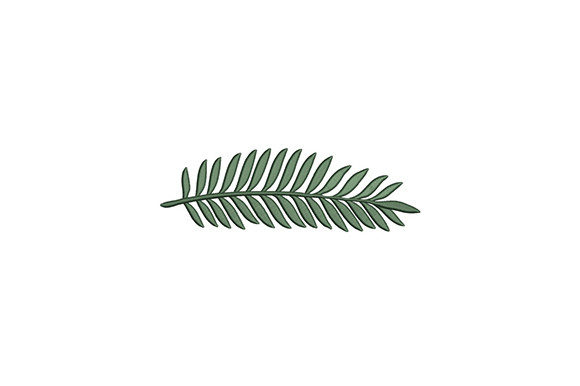
The description promises a "summery vibe," and visually, the Green Fern Leaf delivers on that promise with understated elegance. It does not scream for attention with neon colors or complex shading. Instead, it offers a clean, organic look that fits seamlessly into several trending styles: modern farmhouse, botanical minimalism, and eco-friendly chic. For sellers targeting the Single Flowers category, this fern acts as a sophisticated alternative to traditional roses or daisies. It feels fresh, calm, and universally appealing, which is crucial when you are trying to attract a wide range of passersby at a weekend market.
From a branding perspective, this design supports a narrative of natural beauty and simplicity. It is not overly cute or childish, nor is it stiffly formal. This balance makes it an excellent choice for boutique makers who want their finished product to feel premium yet approachable. When placed on a neutral background, the green tones pop just enough to catch the eye without overwhelming the viewer.
Product Applications: Where This Design Shines
The true test of any machine embroidery design is how it performs across different substrates. Based on my experience, here is how Green Fern Leaf holds up on various items commonly sold at craft fairs:
- Tote Bags and Market Bags: This is arguably the best application. A large-scale version of the fern on a canvas tote creates a striking tote bag design that customers love for its utility and style. The organic shape of the leaf complements the casual nature of cotton canvas.
- Tea Towels and Aprons: For kitchen textiles, this design works beautifully as a corner accent or a central focal point. Tea towel embroidery requires designs that are not too dense, and ferns typically have open spaces that allow the fabric texture to show through, adding to the handmade charm.
- Embroidered Patches: If you offer custom patches, this leaf shape is ideal. It scales down well and looks professional on denim jackets or backpacks. An embroidered patch featuring this fern can be a high-margin add-on item at your booth.
- Caps and Hats: While possible, curved surfaces require careful digitizing. Ensure the design is not too wide, or it will distort on the front panel of a cap. If the digitizing is sharp, it adds a subtle, nature-inspired touch to headwear.
- Pillow Covers and Pouches: These make excellent gift items. The fern motif pairs well with linen or textured fabrics, enhancing the tactile appeal of the small shop product.
Production Practicality and Batch Efficiency
For those of us running small businesses, time is money. One of the strongest selling points of Green Fern Leaf is its potential for batch production. Because the design appears to rely on smooth lines and standard fill stitches rather than intricate micro-details, it should run reliably on most home embroidery machines. This reliability is key when you need to produce twenty tote bags before a Saturday morning market.
However, you must consider stitch density. Fern leaves can sometimes be digitized with heavy saturation to create depth. If the density is too high, it can cause puckering on lightweight fabrics like tea towels or silk pouches. I strongly advise checking the stitch count and density settings in your software before committing to a large run. If the design allows for adjustable density, lower it slightly for delicate fabrics to maintain a soft hand feel.
Photography is another critical factor. This design photographs exceptionally well for online listings. The distinct shape of the fern creates clear silhouettes in photos, making it easy for an Etsy seller to create compelling printable mockup images or flat-lay shots. The green thread contrasts nicely against whites, creams, and even darker navy or charcoal fabrics, giving you flexibility in your product photography backgrounds.
Careful-Use Notes and Technical Considerations
While Green Fern Leaf is versatile, there are technical pitfalls to avoid. Always test the design on scrap fabric first. This is non-negotiable. You need to verify how the thread colors interact with your specific fabric choices. Green threads can vary wildly in shade; ensure your chosen thread provides enough contrast against the fabric so the design does not disappear from a distance.
Pay close attention to the hoop size required. If the design is large, you may need a 5x7 or 6x10 hoop. Ensure your machine can accommodate this, or be prepared to split the design if necessary, though splitting a single leaf is rarely aesthetically pleasing. For smaller applications, confirm that the fine tips of the fern fronds do not become lost or messy. Tiny details can turn into blobs if the stabilizer is not appropriate.
Speaking of stabilization, use a cut-away stabilizer for stretchy fabrics like t-shirts or jersey pouches to prevent distortion over time. For woven fabrics like tote bags or aprons, a tear-away stabilizer is usually sufficient, provided the fabric texture is stable. Avoid using this design on highly textured towels unless the digitizing accounts for the pile, otherwise, the finer details of the fern may get lost in the loops of the towel.
Enhancing Visual Appeal and Brand Consistency
In a crowded craft fair, visual cohesion draws customers in. Green Fern Leaf can serve as a anchor for your brand’s visual identity. By using this same embroidery file across multiple product types—towels, bags, and patches—you create a recognizable collection. This consistency signals professionalism and helps buyers remember your booth.
To maximize buyer engagement, consider pairing the fern with simple text or other summer-inspired embellishments, as suggested in the product description. However, keep it minimal. The strength of this design lies in its simplicity. Over-complicating it with too many additional elements can dilute its impact. Let the fern stand as a symbol of nature and calm.
Final Verdict for Commercial Embroidery
As a digital embroidery file, Green Fern Leaf is a strong contender for any designer’s library. It bridges the gap between decorative art and commercial practicality. It is easy to understand at a glance, quick to stitch, and adaptable to a wide range of popular commercial embroidery products.
Before you begin production, always confirm the commercial licensing terms included with your purchase. Ensure you have the right to sell finished products made with this design. Once cleared, this fern is ready to help you build a cohesive, attractive, and profitable line of handmade goods. Whether you are a seasoned Etsy seller or a new craft fair vendor, this design offers the reliability and aesthetic appeal needed to succeed in today’s handmade market.