Shopping Girl: A Designer’s Review for Boutique Sweatshirts
As an embroidery designer who has spent years digitizing and testing patterns for small clothing brands, I approach every new machine embroidery design with a critical eye. It is not just about whether the image looks cute on a screen; it is about how that design translates to fabric, how it holds up in the wash, and ultimately, how it helps an Etsy seller or boutique owner sell more units. Recently, I had the opportunity to review Shopping Girl, a charming addition to the Family category of embroidery assets, specifically for a upcoming limited drop of premium sweatshirts.
The brief was simple yet demanding: create a cohesive, stylish collection that appeals to fashion lovers who appreciate handmade details. The goal was to move beyond generic clipart vibes and achieve a look that feels intentional, high-quality, and commercially viable. Here is my honest assessment of how Shopping Girl performs in a real-world production environment.
First Impressions: Mood and Aesthetic Appeal
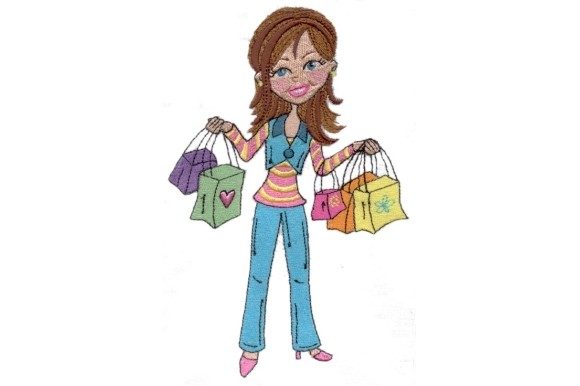
When I first loaded the digital embroidery file into my editing software, the immediate impression was one of playful femininity. The title Shopping Girl suggests a lighthearted, consumer-culture theme, but the execution determines whether it feels cheap or chic. In this case, the design leans heavily into a "cute" and "decorative" aesthetic. It is not minimal or rustic; rather, it is bold enough to stand out as a focal point without being overwhelming.
For a boutique brand targeting young adults or teens, this mood is spot-on. It captures the joy of retail therapy and fashion enthusiasm. However, for a brand aiming for a ultra-luxury, understated look, this might feel too busy. The key lies in placement and thread selection. As a standalone piece on a chest pocket or centered on the torso, it acts as a strong visual anchor. The lines appear clean, suggesting that the digitizer paid attention to pathing, which is crucial for reducing thread breaks during high-volume commercial embroidery runs.
Performance on Sweatshirt Fabrics
The true test of any hoodie design is how it interacts with the substrate. Sweatshirts are notoriously tricky due to their looped texture and varying thicknesses. I tested Shopping Girl on three different fabric types: a heavy 300gsm cotton fleece, a lighter pastel jersey blend, and a dark charcoal French terry.
On neutral sweatshirts, such as heather grey or oatmeal, the design popped beautifully. The contrast allowed the details of the shopping bags and the figure’s outfit to remain distinct. On dark fabric, however, I noticed that some finer details risked getting lost if the thread colors were not carefully chosen. This is where your expertise as a creator comes in. You must ensure high contrast between the thread colors and the background fabric. Using metallic or bright satin stitches for the shopping bags against a black hoodie created a luxurious, eye-catching effect that elevated the perceived value of the finished product.
Regarding stitch density, the design seemed well-balanced. It was not so dense that it caused puckering on the softer fabrics, nor so sparse that the underlying fabric texture showed through uncomfortably. For those working with oversized hoodies, this balance is vital. A design that is too stiff can make the garment feel uncomfortable to wear, while a design that is too loose may look amateurish. Shopping Girl struck a happy medium, maintaining its shape while allowing the fabric to drape naturally.
Practical Production Considerations
Before you add this to your shop, there are several technical factors to consider. First, always check the specific hoop size requirements included in your download. While the description mentions it comes with multiple formats, verifying the dimensions ensures it fits your standard hoop setups without requiring expensive re-digitizing or awkward resizing that could distort the aspect ratio.
Stabilizer choice is another non-negotiable element. For sweatshirt embroidery, I strongly recommend using a cut-away stabilizer. Given the stretch and weight of fleece, a tear-away might not provide enough long-term support, leading to distortion after repeated washing. Since Shopping Girl is intended for apparel that will be worn and washed frequently, durability is paramount. A proper stabilizer ensures the stitch integrity remains intact, preserving the crisp lines of the design.
Additionally, consider the readability of the design at smaller sizes. If you plan to use this as a sleeve accent or on a child’s garment, zoom in closely on your preview. Ensure that the facial features and bag details do not merge into a blob of thread. If the design feels too complex for a 4x4 hoop, stick to larger placements like the back or full chest area where the details can breathe.
Branding and Commercial Viability
For small shop owners and creative entrepreneurs, the right design asset can define your brand identity. Shopping Girl offers a narrative. It is not just a picture; it is a lifestyle statement. When used in custom apparel lines, it speaks to customers who identify as fashion-forward and fun. This emotional connection drives engagement and sales.
From a marketing perspective, this design is highly photogenic. It lends itself well to printable mockup creation and lifestyle product photography. Imagine a flat lay featuring the embroidered sweatshirt alongside shopping bags, coffee cups, and fashion magazines. The visual storytelling potential is immense. For an Etsy seller, having a design that photographs well is half the battle won. It stops the scroll and invites the click.
Moreover, using a cohesive theme like Shopping Girl across a collection helps build visual recognition. If you pair this with complementary text-based embroidery or other fashion-themed motifs, you create a curated look that suggests professionalism. Buyers trust brands that present a unified aesthetic. It signals that you care about the details, from the fabric texture to the final stitch count.
Final Verdict for Boutique Owners
In conclusion, Shopping Girl is a solid contender for your next small shop product launch. It is versatile, appealing, and technically sound for most home-based and small-scale commercial machines. It fits perfectly within the Family and Embroidery categories, offering a touch of whimsy that resonates with a broad audience.
However, success depends on your execution. Pay close attention to your thread palette, invest in quality stabilizers, and choose your placement wisely. Do not assume the default settings will work for every fabric; always run a test stitch-out on your actual garment material. Check the license terms provided with your design assets to ensure you are compliant for commercial use, especially if you are selling physical goods.
If you are looking to add some style to your next creative project, this cute shopping girl design delivers. It transforms a basic sweatshirt into a statement piece, adding value and personality to your handmade inventory. For boutique brands looking to stand out in a saturated market, designs like this offer the perfect blend of charm and commercial appeal.