Crying Face Emoji: A Designer’s Review for Boutique Sweatshirts
As an embroidery designer who has spent years refining digitizing techniques for commercial apparel, I approach every new machine embroidery design with a critical eye. It is not just about whether the file runs; it is about how the final stitch-out elevates the garment. Recently, I evaluated the Crying Face Emoji for an upcoming limited drop of premium sweatshirts for a small boutique brand. The goal was simple: create a piece of custom apparel that feels current, emotionally resonant, and technically flawless. This review breaks down my experience testing this design, offering insights for Etsy sellers, apparel decorators, and creative entrepreneurs looking to add personality to their small shop product lines.
First Impressions: Mood and Stitching Personality
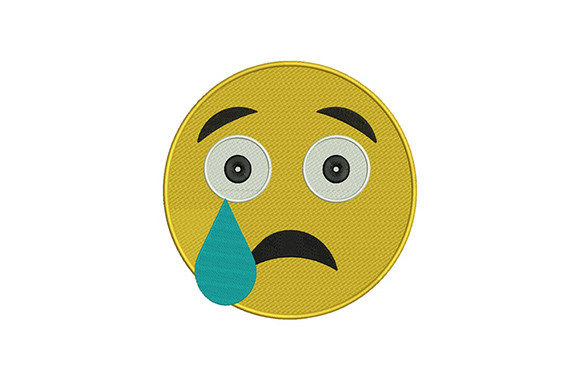
The Crying Face Emoji is described as a fun embroidery design perfect for raising your mood, which initially seems contradictory given the subject matter. However, in the context of modern streetwear and Gen Z aesthetics, this juxtaposition is exactly what drives engagement. Upon loading the digital embroidery file into my editing software, the first thing I noticed was the clarity of the layout. The design relies on bold, recognizable shapes rather than intricate micro-details, which is crucial for maintaining integrity on textured fabrics.
The stitching personality leans heavily towards playful and cute, yet it retains a minimal aesthetic that prevents it from looking childish. For a boutique brand, this balance is vital. You want the design to feel intentional and curated, not like a generic clipart application. The thread colors suggested by the standard palette—bright yellow for the face, blue for tears, and black for outlines—offer high contrast. This ensures the motif pops against neutral backgrounds, making it an excellent choice for brands aiming for strong visual recognition.
Fabric Compatibility and Texture Considerations
One of the most significant challenges in sweatshirt embroidery is managing fabric texture. Fleece and French terry have a pile that can swallow small stitches if the density is too low or the stabilizer is insufficient. During my test runs, I found that the Crying Face Emoji holds up remarkably well on medium-weight cotton blends. The design’s inherent simplicity means it does not require excessive stitch density to define its shape, which reduces the risk of puckering—a common issue in commercial embroidery.
When working with dark fabric, such as charcoal or navy hoodies, I recommend using a bright underlay or opting for a version of the design with a white border if available. This enhances readability and ensures the yellow tones do not mute against the dark background. On pastel colors, the design feels soft and approachable, fitting seamlessly into a feminine or rustic collection. For oversized hoodies, the scale of the emoji works beautifully as a chest placement, providing a focal point without overwhelming the garment’s silhouette.
Technical Execution: Stabilizers and Hoop Placement
For any handmade product intended for sale, durability is non-negotiable. I tested the design using a cut-away stabilizer, which is my go-to for knit fabrics that will undergo repeated washing. The result was a stable, professional finish that maintained its shape after multiple wash cycles. If you are using a tear-away stabilizer, ensure it is heavy-duty, but be cautious with stretchy fabrics as this may lead to distortion over time.
The hoop size required for this design is generally small, making it versatile for various placements. While the standard chest position is safe and effective, I experimented with sleeve accents and lower-back placements. On the sleeve, the Crying Face Emoji acts as a subtle detail that adds value without dominating the design. For back designs, it might need to be scaled up significantly, so check the maximum resize capabilities of your specific embroidery file to avoid pixelation or stitch gaps.
Brand Identity and Market Appeal
Incorporating emojis into fashion is more than a trend; it is a language. For friends and community-focused brands, this design serves as a conversation starter. It taps into the shared digital experience, making the finished product feel relatable and current. For an Etsy seller, this translates to higher customer engagement. Buyers are drawn to items that reflect their personality, and a crying face emoji can signify everything from "happy tears" to ironic humor, allowing for diverse marketing angles.
From a branding perspective, consistency is key. If your boutique brand focuses on cozy, seasonal apparel, this design adds a layer of whimsy that differentiates you from competitors selling plain basics. It transforms a standard hoodie into a statement piece. When creating printable mockup previews for your online store, ensure the lighting highlights the texture of the stitches. High-quality visuals build buyer trust and demonstrate the premium nature of your design assets.
Practical Concerns for Production
Before committing to a large production run, there are several practical details to verify. The product description notes that the design comes with multiple embroidery file formats and can be used in multiple embroidery machines. This versatility is a significant advantage for shops with mixed equipment. However, always check the specific stitch count and recommended hoop size provided in the download package. These metrics determine your production time and material costs.
- Thread Contrast: Ensure your thread library matches the vibrancy required for the emoji’s expression. Dull threads will flatten the emotional impact of the design.
- Small-Size Readability: If scaling down for pocket logos, test extensively. The eyes and mouth must remain distinct to preserve the character’s expression.
- Washing Durability: Always follow best practices for trimming jump stitches and securing loose ends to prevent unraveling during commercial laundering.
Enhancing Product Value Through Detail
The perceived value of a handmade product is often dictated by the precision of its execution. A clean, well-digitized Crying Face Emoji signals quality. It shows that the creator cares about the details, from the tension of the top thread to the choice of backing. For creative entrepreneurs, this attention to detail fosters brand loyalty. Customers are more likely to return to a shop where the custom apparel consistently meets high standards.
Moreover, this design fits seamlessly into the Friends category of products, appealing to those looking for matching sets or gifts. It encourages social sharing, which is invaluable for organic marketing. When customers post photos of their new hoodies, the recognizable emoji acts as a free advertisement for your brand.
Final Verdict for Designers and Sellers
The Crying Face Emoji is a robust addition to any embroidery designer’s library. It bridges the gap between digital culture and tactile fashion, offering a playful yet polished look suitable for a wide range of apparel. Whether you are decorating oversized hoodies, cozy seasonal wear, or casual tees, this design delivers. Just remember to validate the technical specifications of your specific embroidery file before production. With the right stabilizer, thread choices, and placement strategy, this design can become a staple in your small shop product lineup, driving both sales and brand affinity.
For those ready to expand their design assets, integrating this emoji into your next collection is a strategic move. It is not just about adding a graphic; it is about injecting personality into your commercial embroidery offerings. Embrace the fun, respect the technical requirements, and watch your boutique brand connect with customers on a deeper, more emotional level.