Ladybug Patch: A Designer’s Review for Small Business Merch
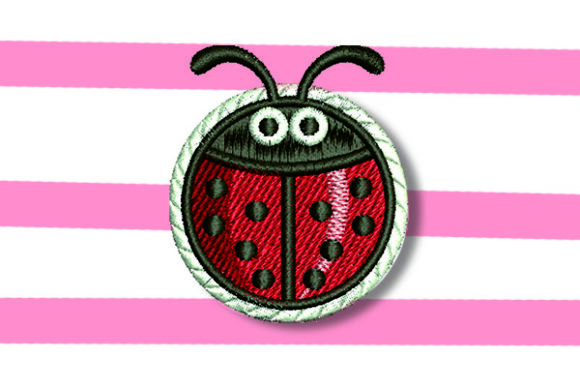
As an embroidery designer who has spent years digitizing and reviewing files for commercial use, I approach every new machine embroidery design with a critical eye. It is not just about whether a motif looks cute on a screen; it is about how it performs on fabric, how it holds up in the wash, and most importantly, how it serves a business owner’s brand. Today, I am reviewing the Ladybug Patch, a digital asset categorized under Bugs, to determine its viability for small business merchandise, branded patches, and custom apparel.
The product description promises versatility, stating that this cute embroidery design will look amazing when stitched onto children's clothes, towels, bedsheets, or room decor. For a professional decorator or an Etsy seller, this breadth of application is promising, but it requires careful technical evaluation. Let us dive into how this design functions in a real-world commercial context.
First Impressions: Visual Personality and Brand Fit
The immediate visual impact of the Ladybug Patch is one of approachable charm. In the world of branding, aesthetics dictate audience connection. This design leans heavily into a playful, friendly, and handmade aesthetic. It does not scream corporate rigidity; instead, it whispers warmth and creativity. For businesses in the boutique, bakery, florist, or pet care sectors, this visual personality is a significant asset. It aligns perfectly with brands that want to project trust, kindness, and community engagement.
However, "cute" can sometimes be mistaken for "amateur" if the digitization is poor. Upon closer inspection of the design structure implied by its category as an Embroidery file, the shapes appear bold enough to maintain integrity. The ladybug motif is a classic symbol, often associated with good luck and nature, making it a timeless choice for seasonal collections or evergreen product lines. If your brand identity relies on organic, natural, or child-friendly elements, this design fits seamlessly into your existing design assets.
Real-World Applications for Small Business Merch
The true test of any digital embroidery file is its adaptability across various substrates. Here is how I envision the Ladybug Patch performing in specific commercial scenarios:
- Embroidered Patches: This is perhaps the strongest use case. The self-contained nature of a ladybug shape makes it ideal for iron-on or sew-on patches. These can be sold as standalone accessories or used as value-adds for clothing purchases. A well-made patch elevates a simple tote bag into a premium item.
- Staff Uniforms and Aprons: For cafés, bakeries, or floral shops, staff apparel is a moving billboard. Stitching this design on the chest pocket of an apron embroidery project adds a touch of whimsy without overwhelming the professional look. It humanizes the staff and creates a memorable visual anchor for customers.
- Cap Embroidery: Placing the ladybug on the side panel or even the front of a dad hat can create a trendy, subtle look. However, curved surfaces require precise digitizing to prevent distortion. If the design is balanced, it works wonderfully for cap embroidery, appealing to a younger demographic.
- Tote Bag Design: Canvas totes are staples for handmade brands. A centered or corner-placed ladybug adds character to an otherwise blank canvas. It transforms a generic bag into a branded piece of small business merch that customers are proud to carry.
- Children’s Apparel and Home Decor: As noted in the description, this design shines on kids' clothes and bedding. For sellers targeting parents, this motif is a high-conversion element. It suggests safety, playfulness, and comfort.
Technical Considerations and Production Risks
While the aesthetic appeal is strong, experienced designers know that beauty lies in the technical details. Before running a large batch of commercial embroidery, you must address several potential pitfalls.
Stitch Density and Fabric Texture: Ladybugs typically involve solid fills for the red wings and black spots. High stitch density can cause puckering, especially on lightweight fabrics like children's t-shirts or thin towels. It is crucial to test the design on the exact fabric you intend to use. If the density is too high, you may need to adjust your stabilizer strategy. Using a cut-away stabilizer for stretchy fabrics or a tear-away for stable woven fabrics can make the difference between a professional finished product and a distorted mess.
Size Limitations: The description mentions it comes with multiple sizes, which is standard for quality embroidery files. However, you must verify the smallest size. Intricate details, such as the antennae or eyes, can merge or disappear if the design is scaled down too far for a tiny patch. Always stitch out a test sample at the smallest intended size to ensure clarity.
Thread Colors and Contrast: The classic red and black combination is high-contrast and visually striking. However, on dark uniforms, the black outlines may vanish. Consider using a satin stitch border in a contrasting color, such as white or gold, to define the edges against dark fabrics. Additionally, ensure your thread colors are colorfast, especially for items like towels and bedsheets that undergo frequent washing.
Enhancing Brand Identity and Customer Trust
Consistency is key to building brand recognition. Using a distinct motif like the Ladybug Patch across various touchpoints creates a cohesive brand story. When a customer sees the same high-quality embroidery on their tote bag, their child’s shirt, and their local café’s apron, it reinforces professionalism and attention to detail.
This level of consistency builds trust. It signals that your business values quality over quick fixes. For Etsy sellers and handmade brands, this perceived value allows for higher pricing points. Customers are willing to pay more for a handmade product that features durable, well-digitized embroidery rather than cheap prints that crack after a few washes.
Furthermore, creating a printable mockup featuring the Ladybug Patch can significantly boost online engagement. Show potential buyers how the design looks on different products. Visualizing the end result helps customers make confident purchasing decisions, reducing return rates and increasing satisfaction.
Practical Designer Notes for Implementation
Before you commit to full-scale production, follow these steps to ensure success with the Ladybug Patch:
- Check Licensing: Confirm the commercial license terms included with the file. Ensure you are allowed to sell physical items made with this design.
- Verify File Formats: The description mentions "multiple embro," likely referring to multiple embroidery formats. Ensure you have the correct format for your machine (e.g., PES, DST, JEF) to avoid conversion errors that can alter stitch paths.
- Test Hoop Size: Match the design size to your available hoop size. Do not attempt to hoop a design larger than your frame allows, as this leads to misalignment.
- Stabilizer Selection: Choose the right stabilizer based on fabric weight. For heavy denim jackets, a light tear-away may suffice. For soft baby clothes, a soft cut-away is essential for comfort and durability.
- Client Approval: If working with B2B clients, stitch a sample and present it alongside a printable mockup. Physical samples provide tangible proof of quality that digital images cannot match.
In conclusion, the Ladybug Patch is a versatile and charming addition to any designer’s library. While it requires careful technical handling regarding density and sizing, its potential for enhancing brand identity and creating beloved custom apparel is immense. For small business owners looking to add a touch of whimsical professionalism to their merchandise, this design is a worthy investment. Just remember to test, stabilize, and stitch with precision to achieve the best results.