Number One: A Designer’s Review for Small Business Merch
As an embroidery designer who has spent years digitizing and reviewing files for commercial use, I approach every new machine embroidery design with a critical eye. It is not just about whether the art looks pretty on a screen; it is about how it performs under the needle, how it holds up after washing, and most importantly, how it elevates a brand. Today, I am reviewing Number One, a digital asset categorized under Shapes within the broader world of Embroidery. This review is tailored for small business owners, Etsy sellers, apparel decorators, and creative studios looking to integrate high-quality stitched elements into their product lines.
First Impressions: Versatility Meets Professional Simplicity
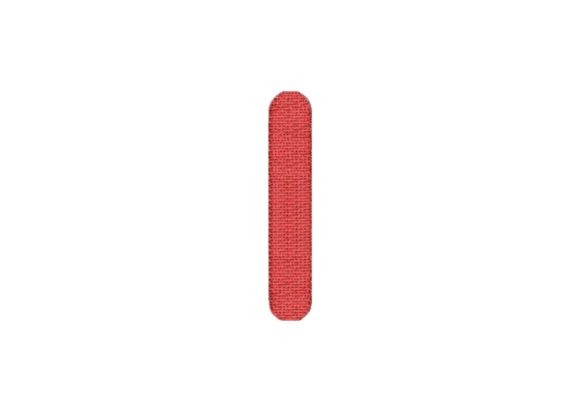
The immediate appeal of Number One lies in its description: "Simple and versatile." In the fast-paced world of custom apparel and branded merchandise, simplicity is often synonymous with professionalism. Complex designs can sometimes look cluttered when scaled down, but a shape-based design offers a clean, modern aesthetic that translates well across various mediums. The promise that it will "look great when stitched onto any type of fabric" suggests a thoughtful digitization process that accounts for different material behaviors.
Visually, this design feels adaptable. It does not scream for attention with excessive detail but rather offers a solid foundation for brand identity. For a boutique or a local café, this kind of understated elegance can signal quality without being overpowering. It feels friendly yet premium, making it an excellent candidate for businesses that want to appear approachable but established.
Real-World Applications for Small Business Merch
When I evaluate a digital embroidery file, I mentally place it on various products to test its viability. Here is how Number One performs in real business scenarios:
- Embroidered Patches: This is perhaps the strongest use case. A simple shape design works exceptionally well as a standalone patch. You can stitch it onto a twill backing, cut it out, and apply it to jackets, hats, or bags. This allows for easy inventory management since you can produce patches in bulk and apply them to different items as orders come in.
- Staff Uniforms and Aprons: For coffee shops, bakeries, or florists, staff apparel needs to be durable and legible. Number One can serve as a chest logo accent on aprons or work shirts. Its simplicity ensures that it remains readable even from a distance, enhancing team cohesion and professional presentation.
- Cap Embroidery: Curved surfaces are tricky. However, because this design is categorized under Shapes, it likely avoids the extreme density that causes puckering on caps. It would work beautifully on the front panel of a dad hat or a structured snapback, offering a subtle brand mark that customers love to wear.
- Tote Bag Design: Canvas totes are a staple for handmade brands. Stitching Number One onto a tote bag adds a tactile, high-value element that printed ink cannot match. It transforms a simple bag into a handmade product that feels luxurious and durable.
- Event Merch and Customer Gifts: Whether it is a wedding favor tag or a conference swag item, this design can be scaled to fit small spaces. It acts as a seal of quality, adding a personal touch that increases customer engagement and perceived value.
Technical Considerations and Placement Strategy
While the description highlights versatility, experienced designers know that context is everything. There are specific areas where you must exercise caution when using Number One or any similar embroidery file.
Stitch Density and Fabric Texture: The term "high-quality" in the product description implies good stitch regulation, but you must always test on your specific fabric. If you are stitching on a textured fabric like terry cloth or a loose-weave linen, ensure you use the appropriate stabilizer. A cut-away stabilizer is often best for garments that will undergo frequent washing, while a tear-away might suffice for decorative items that see less wear.
Small Patch Sizes and Detail: If you plan to scale Number One down for a tiny label or a sleeve detail, check the spacing between elements. If the design has tight corners or small gaps, they may fill in with thread at smaller sizes. Always run a test stitch-out at your intended size before committing to a full production run.
Dark Uniforms and Thread Contrast: On dark fabrics, your choice of thread colors becomes critical. A simple shape relies heavily on contrast to be visible. Ensure you have a high-contrast thread palette ready. If the design includes satin stitches, verify that the width is sufficient to cover the fabric underneath without showing gaps.
Enhancing Brand Identity and Customer Trust
In the realm of small business merch, consistency is key. Using a cohesive set of design assets helps build recognition. Number One can serve as a primary or secondary logo element. When customers see the same high-quality embroidery on your packaging, your social media posts, and your physical products, it builds trust. It signals that you care about the details.
Furthermore, embroidered items have a higher perceived value than printed ones. By incorporating Number One into your custom apparel line, you justify a higher price point. Customers are willing to pay more for items that feel substantial and crafted. This is especially true for Etsy sellers and boutique owners who compete on uniqueness and quality rather than just price.
Practical Designer Notes for Production
Before you launch your next collection featuring Number One, follow these practical steps to ensure a flawless finished product:
- Test in Black and White First: Strip away the color to check the structural integrity of the design. If it looks good in monochrome, it will look good in color.
- Check Hoop Size Compatibility: Confirm that the design fits within your standard hoop sizes. While the description mentions versatility, always verify the dimensions against your machine’s capabilities to avoid re-hooping issues.
- Create a Printable Mockup: Use digital tools to place the design on photos of your actual products. This helps in marketing and allows you to visualize the scale before stitching.
- Review Commercial Licensing: The product description notes it is a "digital embroidery design," but always confirm the license terms. Ensure you have the right to use it for commercial embroidery projects, especially if you are selling the finished goods.
- Compare Beside Other Assets: Place Number One next to your existing logos and fonts. Does it complement them? Visual consistency strengthens your brand narrative.
In conclusion, Number One represents a solid investment for any business looking to expand its embroidered offerings. Its classification under Shapes suggests a foundational utility that can be adapted for patches, caps, totes, and uniforms. By paying attention to fabric texture, stabilizer choice, and thread contrast, you can leverage this design to create professional, high-value merchandise that resonates with your customers. Always remember to check the specific file formats and stitch counts provided by the creator to ensure seamless integration into your workflow. With careful execution, this design can become a staple in your small business merch toolkit.