Autumn Bicycle: A Designer’s Review for Small Business Merch
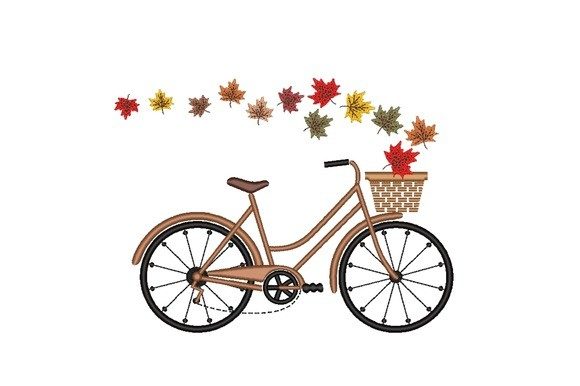
As an embroidery designer who has spent years digitizing and testing files for commercial use, I approach every new machine embroidery design with a critical eye. It is not just about whether a pattern looks pretty on a screen; it is about how it performs in the real world of small business merchandise. When I first loaded the Autumn Bicycle file into my software, my immediate impression was one of nostalgic charm mixed with professional versatility. This is not merely a decorative element; it is a strategic asset for brands looking to evoke warmth, movement, and seasonal coziness.
The visual personality of Autumn Bicycle strikes a balance between rustic and refined. For a boutique owner, a café manager, or an Etsy seller, this distinction matters. The design feels handmade yet polished, avoiding the clutter that often plagues amateur digitizing. It carries a friendly, inviting tone that aligns perfectly with autumn-themed marketing campaigns, but its clean lines ensure it does not look dated once the season passes. This longevity is crucial for businesses investing in custom apparel and branded goods.
Real-World Applications for Branded Merchandise
The true test of any digital embroidery file is its adaptability across various products. Based on the description stating it looks fantastic on almost any fabric, I evaluated Autumn Bicycle for several common small business use cases. Here is how it performs in practical scenarios:
- Embroidered Patches: This is perhaps the strongest application. The bicycle motif translates beautifully into a circular or rectangular patch. For a local bike shop or a coffee roaster, these patches can be sewn onto denim jackets or canvas bags, creating high-value, wearable advertising.
- Staff Uniforms and Aprons: For bakeries and florists, apron embroidery adds a touch of artisanal credibility. Placing Autumn Bicycle on the chest pocket or lower corner of a canvas apron creates a subtle brand mark that feels personal rather than corporate.
- Cap Embroidery: The design works well on structured caps, provided the scale is adjusted. The curved brim of a baseball cap complements the wheels of the bicycle, creating a cohesive visual flow. However, careful attention must be paid to the push-pull compensation to prevent distortion on the curved surface.
- Tote Bag Design: Canvas totes are a staple for retail shops. Stitching this design onto a natural cotton tote creates an instant "farmers market" aesthetic that customers love. The contrast of colorful threads against neutral fabric makes the thread colors pop, enhancing the perceived value of the handmade product.
Navigating Technical Challenges and Fabric Constraints
While the promotional text suggests universal compatibility, experienced decorators know that fabric texture and item construction dictate success. When using Autumn Bicycle, you must consider stitch density. If the design is too dense for lightweight fabrics like thin cotton t-shirts, it may cause puckering. In such cases, using a cut-away stabilizer is non-negotiable to maintain the integrity of the finished product.
For dark uniforms or navy blue apparel, you must review the color palette carefully. The description mentions multicolor options, which is advantageous. However, if the design relies on subtle shading, it may get lost on black fabric. I recommend creating a printable mockup with high-contrast thread colors before committing to production. Additionally, for items that undergo frequent washing, such as staff shirts, ensure the underlay stitches are robust enough to hold the top stitching in place without unraveling.
Another critical consideration is size. If you plan to use this as a small chest logo, verify that the intricate details of the bicycle spokes and handlebars do not merge together. Small patch sizes require simplified detailing. If the original file is highly detailed, you may need to resize it carefully or choose a version of the design optimized for smaller hoop size applications. Always test stitch on a scrap piece of the actual fabric you intend to use. This step saves time, money, and reputation by preventing costly errors in large batches of custom apparel.
Enhancing Brand Identity and Customer Trust
Beyond the technical aspects, Autumn Bicycle serves a psychological function in branding. In the current market, consumers crave authenticity. A generic, printed logo often feels cold and mass-produced. In contrast, embroidered textures convey effort, quality, and permanence. By incorporating this design into your small business merch, you signal that you value craftsmanship.
This perception directly impacts customer trust and recognition. When a customer receives a tote bag or a hat with high-quality embroidery, they are more likely to wear it in public, effectively becoming a brand ambassador. The seasonal nature of the design also creates urgency and relevance. Using Autumn themed assets during the fall months can boost engagement on social media and drive sales for limited-edition collections. It shows that your brand is active, current, and attentive to cultural moments.
Furthermore, consistency in visual assets builds professionalism. If your website, packaging, and physical store decor all share a rustic, autumnal vibe, adding Autumn Bicycle to your employee uniforms ties the entire experience together. This visual consistency reinforces brand identity and makes your business memorable. It transforms a simple transaction into an emotional connection, which is the ultimate goal of effective commercial embroidery.
Practical Notes for Production and Licensing
Before launching your campaign with Autumn Bicycle, there are several administrative and technical checks to perform. First, confirm the commercial licensing terms. As a business owner, you must ensure that the embroidery file purchase includes the right to sell finished goods. Never assume; always read the license agreement provided by the designer or marketplace.
Second, check the available file formats. Ensure the design is compatible with your specific embroidery machine brand, whether it is Brother, Janome, Bernina, or Industrial Tajima. Using the wrong format can lead to stitching errors or machine crashes. Third, inspect the color sequence. Some files are optimized for speed, while others prioritize color changes for aesthetic effect. Understanding this helps you estimate production time and labor costs accurately.
Finally, compare Autumn Bicycle beside your other design assets. Does it complement your existing logo? Does it clash with other patterns you use? Creating a cohesive collection of designs ensures that your merchandise line looks curated rather than random. Test the design in black and white first to evaluate its structural integrity without the distraction of color. If it holds up in monochrome, it will likely succeed in full color.
In conclusion, Autumn Bicycle is a versatile and professionally viable option for small business owners looking to elevate their merchandise. Whether used for cap embroidery, branded patches, or boutique tote bags, it offers a blend of seasonal appeal and timeless quality. By paying attention to fabric choice, stabilizer selection, and brand consistency, you can leverage this design to create products that customers cherish and wear with pride. It is not just a stitch pattern; it is a tool for building a stronger, more recognizable brand presence in a competitive market.