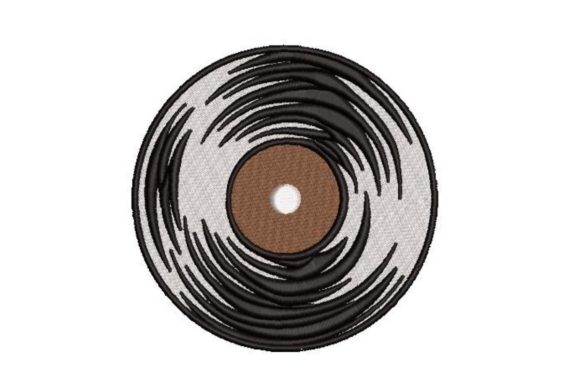
Reviewing the Vinyl Record Embroidery Design
As an embroidery designer who has spent years digitizing patterns and testing them on everything from delicate silks to heavy denim, I approach every new machine embroidery design with a critical eye. It is not just about whether the file opens correctly; it is about how that design translates into a tangible, emotional object for the end user. Recently, I downloaded the Vinyl Record design to test its viability for my personalized gift shop. The premise is simple: complete your music-themed embroidery collection with this classic vinyl record. But simplicity in concept often requires precision in execution.
First Impressions: Nostalgia Meets Modern Craft
When I first loaded the Vinyl Record file into my software, the immediate impression was one of timeless charm. There is something inherently warm about vinyl records; they evoke memories of crackling needles, album art appreciation, and a slower pace of listening. This design captures that mood perfectly. It feels less like a trendy graphic and more like a classic icon. For a handmade product, this emotional resonance is invaluable. It does not scream for attention with overly complex details but rather invites a closer look with its clean, recognizable silhouette.
The aesthetic strikes a balance between modern minimalism and retro nostalgia. This makes it incredibly versatile. It is not strictly masculine or feminine, nor is it tied to a specific season. This neutrality is a massive advantage for a small shop product because it appeals to a broad demographic. Whether you are targeting audiophiles, musicians, or simply people who appreciate vintage aesthetics, this design serves as a strong visual anchor.
Practical Applications for Personalized Gifts
The true test of any digital embroidery file is its adaptability across different products. I envisioned several scenarios where the Vinyl Record could shine as a personalized gift. Here is how I see it performing in real-world applications:
- Nursery and Baby Items: For parents who are music lovers, incorporating this design into baby embroidery projects creates a unique heirloom. Imagine a soft muslin blanket with a small vinyl record stitched in the corner, perhaps accompanied by the baby’s initials. It is a sweet, subtle nod to the family’s passion without being overwhelming.
- Kitchen and Home Decor: An embroidered towel or apron featuring this motif is perfect for the home chef who loves to cook with their favorite albums playing in the background. The circular shape of the record lends itself well to pocket placements on aprons or corner accents on tea towels.
- Wedding and Anniversary Keepsakes: Couples often have a "first dance" song. Stitching the Vinyl Record onto a pillow cover or a framed hoop art piece, potentially alongside the date of their wedding or the title of their song, transforms a standard item into a deeply meaningful wedding gift.
- Tote Bags and Apparel: For the everyday carrier, a canvas tote bag with this design offers a stylish, understated look. It works equally well on denim jackets or sweatshirts, appealing to the Etsy crowd looking for unique, non-mass-produced fashion statements.
Navigating Technical Challenges and Fabric Choices
While the design is charming, practical application requires careful consideration of technical factors. As an experienced stitcher, I know that what looks good on screen does not always translate perfectly to fabric. Here are the areas where I exercised caution during my testing phase.
Fabric Texture and Stability: The success of this design relies heavily on the stability of the base material. When working with textured fabrics like waffle-weave towels or thick terry cloth, the finer details of the record label area might get lost. I recommend using a cut-away stabilizer for these heavier textiles to prevent puckering and ensure the stitches lay flat. For stretchy materials, such as baby onesies or knit tote bags, a hoop-and-stick method with appropriate stabilizer is crucial to maintain the integrity of the circular shape.
Thread Color Contrast: Since the Vinyl Record is typically black or dark gray, contrast is key. On dark fabrics, the design will disappear unless you use metallic threads or change the color palette to a lighter shade for artistic effect. However, for a realistic look, stick to light or neutral backgrounds. Always check your thread colors against your fabric swatches before committing to the final finished product.
Stitch Density and Detail: Without exact specifications provided in the initial description, it is vital to check the stitch density yourself. High-density areas can cause perforation in lightweight fabrics like cotton voile or thin linen. I advise running a test stitch-out on scrap fabric identical to your final product. Pay close attention to the center label of the record; if the text or small graphics there are too dense, they may bunch up. Adjusting the underlay or simplifying the center detail might be necessary for smaller hoop size applications.
Enhancing Perceived Value and Customer Trust
For Etsy sellers and craft fair vendors, the perceived value of a product is often dictated by the quality of the embroidery. A clean, well-digitized custom embroidery piece signals professionalism. The Vinyl Record design, with its clean lines and iconic shape, contributes to a high-quality appearance. It suggests that the maker has curated their designs carefully, rather than using clip-art conversions.
This attention to detail builds customer trust. When a buyer receives a blanket embroidery or a personalized tote that looks crisp and professional, they are more likely to leave positive reviews and return for future purchases. Furthermore, the visual appeal of this design aids in product photography. The circular symmetry is pleasing to the eye and photographs well, making it easier to create engaging social media content and printable mockup previews for your online store.
Final Verdict and Best Practices
The Vinyl Record is a solid addition to any music-themed collection. It is versatile, emotionally resonant, and commercially viable. However, to ensure success, follow these practical steps before fulfilling customer orders:
- Verify File Formats: The description mentions multiple embroidery file formats. Ensure you have the correct format for your specific machine model to avoid conversion errors that can distort the design.
- Check Commercial Licensing: Before selling any commercial embroidery products, confirm the license terms. Ensure you are allowed to sell finished physical goods made with this design.
- Test on Scrap Fabric: Never skip this step. Test on the exact fabric type and weight you intend to use for the final product. Check for puckering, thread breaks, and registration accuracy.
- Consider the Hoop Size: Determine the optimal placement. A larger hoop allows for more detail, while a smaller hoop might require simplifying the design to maintain clarity.
- Evaluate Washability: If the item is intended for frequent washing, such as a kitchen towel or baby blanket, ensure your thread and stabilizer choices are durable and colorfast.
In conclusion, the Vinyl Record design offers a wonderful opportunity to create meaningful, personalized items. By paying attention to fabric choice, stabilizer selection, and stitch quality, you can transform this digital file into a cherished handmade product that resonates with music lovers everywhere. Happy embroidering!