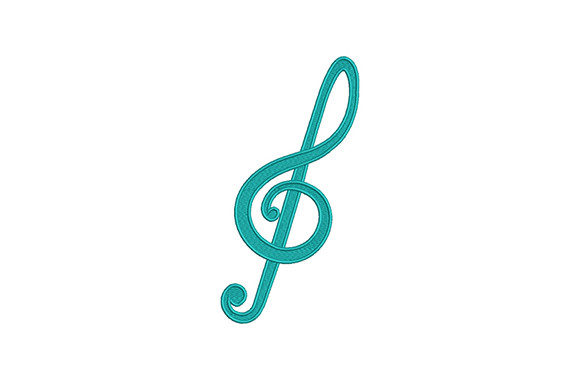
Music Embroidery Design: A Pro Review for Real Projects
As a designer who spends more time staring at stitch simulations than most people spend on their phones, I approach every new machine embroidery design with a mix of excitement and skepticism. We've all been there: you buy a file based on a tiny thumbnail, only to find out the stitch density is too high for a t-shirt or the details vanish on textured fabric. So, when I got my hands on the Music embroidery file, I didn't just look at it; I put it through the paces of a real-world craft business scenario.
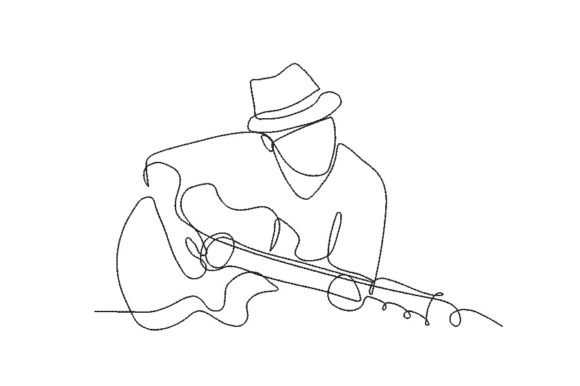
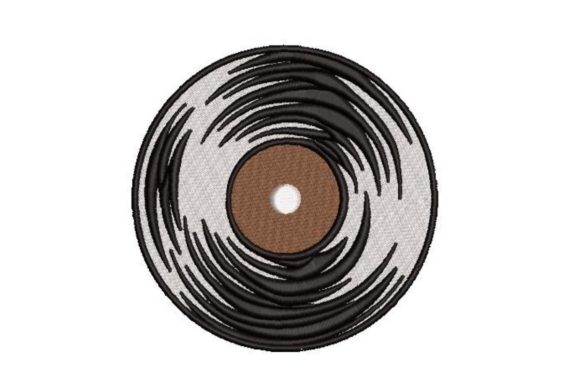
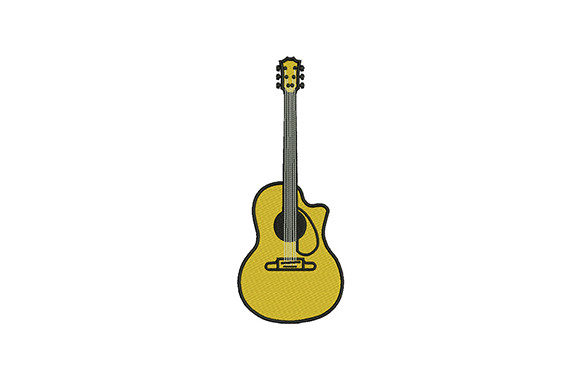
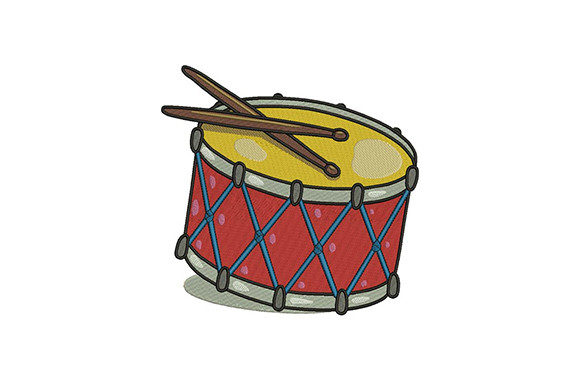
The first impression of Music is its versatility. It captures that universal love for rhythm and melody without feeling cluttered. The layout feels intentional, balancing negative space with solid fill areas. For those of us selling handmade products, visual clarity is everything. A design that looks busy on the screen can turn into a thread mess on the garment. Fortunately, this design maintains a clean silhouette that reads well from a distance, which is crucial for items like backpacks or jackets where the viewer isn't standing two inches away.
Putting Music to the Test: A Real-World Scenario
To truly evaluate this embroidery project, I decided to simulate a common order I often see in boutique shops: a custom sweatshirt embroidery for a local music festival vendor. The goal was to create something that felt vintage yet modern, suitable for a unisex audience. I chose a heather grey cotton-blend sweatshirt, a fabric that can be tricky due to its slight texture.
Before hitting the start button, I hooped a heavy-duty cutaway stabilizer. This is non-negotiable for any design with substantial fill areas if you want the finished product to last through multiple washes. As the machine began stitching, I watched how the needle handled the transitions. The Music design utilizes a smart combination of satin stitch for outlines and definition, paired with fill stitch for the body of the graphic. This layering adds depth, making the design pop against the grey fabric without looking flat.
The result? A crisp, professional-looking graphic that elevated a basic sweatshirt into a premium custom apparel piece. If I were an Etsy seller listing this, I'd confidently market it as a high-value item. The design doesn't just sit on the fabric; it integrates with it. For a customer buying a personalized gift, this level of quality builds immediate trust in the maker's brand.
Ideal Applications for the Music Design
One size does not fit all in embroidery, but Music shines in several specific categories. Based on my review, here is where this design performs best:
- Tote Bag Design: The sturdy canvas of a tote bag handles the stitch count beautifully, making it perfect for grocery getters or book bags.
- Embroidered Patch: If you digitize a border or use a merrow edge finish, this makes an excellent iron-on or sew-on patch for denim jackets.
- Home Decor: Think pillow covers or kitchen towels. The thematic nature of Music fits perfectly in a creative studio or living room setting.
- Baby Embroidery: With adjusted scaling and softer thread colors, this works wonderfully on baby onesies or nursery blankets, provided the density is managed.
- Holiday Embroidery: It's a unique twist for holiday gifts, especially for the musician in the family who already has enough socks.
For small shop product lines, consistency is key. Using Music across a collection—say, on a cap, a tee, and a apron—creates a cohesive brand identity. It signals to your customers that you have a curated eye for design assets that matter.
Critical Considerations Before You Stitch
While I was impressed, a responsible reviewer must point out where caution is needed. No design is magic, and Music requires some strategic thinking depending on your substrate.
If you are working with thin fabric like a lightweight rayon or a sheer curtain, the stitch density might cause puckering. In these cases, I strongly recommend testing on scrap fabric first. You might need to swap your standard stabilizer for a water-soluble topping to prevent the stitches from sinking into the weave. Similarly, be mindful of tiny lettering if the design includes text elements. On a curved surface like a cap, small details can get distorted. Always check the hoop size compatibility; cramming a large design into a small hoop can lead to registration errors.
Color choice also plays a massive role. While the default thread colors in the preview might look great, don't be afraid to experiment. I tested a monochromatic version using shades of blue, and it looked incredibly sophisticated. However, avoid low-contrast combinations on dark fabrics unless you are aiming for a subtle, tone-on-tone look. A printable mockup can help you visualize these changes before you waste thread.
Maximizing Value for Commercial Use
For the commercial embroidery professionals and digital product sellers out there, the viability of Music comes down to licensing and scalability. Since specific license terms aren't always embedded in the file description, you must verify the usage rights before selling finished items or the digital embroidery file itself. Assuming you have the right to sell finished goods, this design offers high perceived value.
Customers pay for professionalism. A design that looks sloppy with loose threads or poor registration hurts your reputation. Music, when stitched correctly with the right tension and stabilizer, exudes quality. It tells the buyer that you care about the details. Whether you are creating wedding gifts for a band-loving couple or stocking inventory for a craft fair, this design holds its own.
Finally, remember that the "cool touch" mentioned in the product description isn't automatic; it's earned through preparation. Check your running stitch underlays, ensure your needles are sharp, and take the time to trim jump stitches cleanly. These small steps transform a good applique design or standard fill pattern into a standout piece.
In conclusion, Music is a robust addition to any designer's library. It bridges the gap between artistic expression and practical application. Whether you are a hobbyist making a gift for a friend or an apparel decorator fulfilling a bulk order, this design offers the flexibility and visual appeal needed to succeed. Just remember to respect the fabric, choose your stabilizer wisely, and let your creativity lead the way. Happy stitching!