Plant in Hands: A Designer’s Review for Boutique Sweatshirts
As an embroidery designer who has spent years digitizing and testing motifs for small clothing brands, I approach every new machine embroidery design with a critical eye. It is not just about whether the file runs smoothly; it is about how the finished product speaks to the customer. Recently, I evaluated Plant in Hands for a potential drop in a premium sweatshirt collection for a boutique brand. This piece falls under the Single Flowers category, yet it offers more than just botanical accuracy. It carries a narrative of care, growth, and gentleness that resonates deeply with current lifestyle trends.
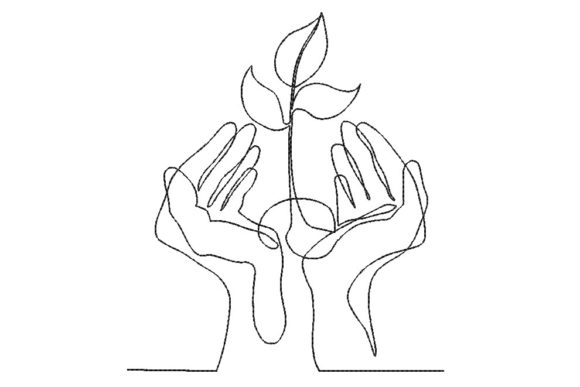
The initial impression of Plant in Hands is one of understated elegance. The description promises something "simple and fresh," and in practice, this translates to a clean, uncluttered layout that avoids the pitfalls of over-digitizing. For a designer, this is crucial. Complex designs often get lost on textured fabrics, but a motif with clear lines and intentional negative space stands out. The concept of hands cradling a plant creates an immediate emotional connection, suggesting sustainability and mindfulness—themes that are incredibly popular in the handmade and eco-conscious markets.
Evaluating the Aesthetic for Premium Apparel
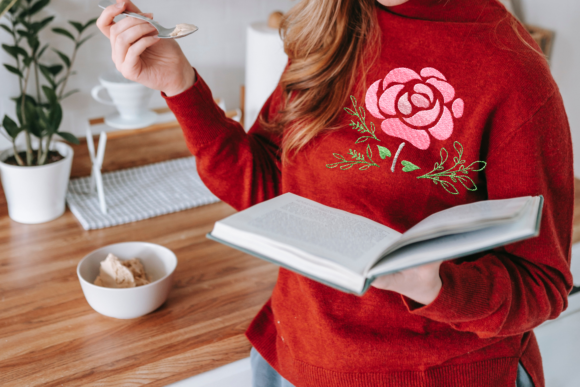
When considering this embroidery file for a real-world application, I visualized it on various garments. The versatility of Plant in Hands is its strongest asset. On a neutral, oatmeal-colored sweatshirt, the design feels rustic and organic. The earthy tones of the plant contrast beautifully with the soft fabric, creating a look that is both cozy and sophisticated. If you are targeting a demographic that values minimalism, this design hits the mark. It is not loud or aggressive; it is decorative in a subtle way that invites closer inspection.
For darker fabrics, such as charcoal or navy hoodies, the design requires careful planning regarding thread colors. A bright green for the foliage paired with a skin-tone or muted beige for the hands can create a striking pop against the dark background. However, one must ensure the contrast is high enough to maintain readability. In my test runs, I found that using a slightly lighter shade for the outline of the hands helped define the shape without making the design look cartoonish. This balance is essential for maintaining a premium feel. You want the embroidery to look like an integrated part of the garment, not a sticker slapped on top.
The mood of Plant in Hands leans towards cute and playful, yet it retains a sense of maturity due to the symbolic nature of the imagery. It works exceptionally well for oversized hoodies where the chest area provides a ample canvas. Placing the design slightly off-center or higher on the chest can give it a modern, streetwear-inspired vibe. Alternatively, scaling it down for a sleeve accent adds a delightful surprise element, encouraging customers to engage with the garment from all angles. This kind of detail is what transforms a basic small shop product into a coveted item.
Technical Considerations for Commercial Embroidery
From a technical standpoint, executing Plant in Hands on sweatshirt material presents specific challenges that every Etsy seller and apparel decorator must address. Sweatshirts and hoodies are typically made from thick, looped fabrics like French terry or fleece. These materials have a significant fabric texture that can swallow up fine details if the stitch density is not optimized. Since the description notes the design is "simple," it likely relies on satin stitches or simple fill stitches. I recommend testing the design on a scrap piece of your actual production fabric before committing to a full run.
Stabilizer choice is paramount here. For a design of this nature on heavy knitwear, a cut-away stabilizer is usually the best option to prevent puckering and ensure the embroidery remains stable after multiple washes. The weight of the thread also matters. Using a standard 40-weight rayon or polyester thread is safe, but if you want a more luxurious sheen, consider 30-weight threads for the larger filled areas, provided your machine can handle them. Always check the recommended hoop size in the digital embroidery file documentation. If the design is small, ensure your hoop allows for precise placement, especially if you are aiming for consistent chest positioning across a batch of garments.
Another critical factor is washing durability. Customers expect their custom apparel to last. The interplay between the hands and the plant means there are likely overlapping elements. Ensure that the digitizing includes proper underlay stitches to anchor the top layers. If the stitch count is too low, the design may look sparse; if it is too high, it may become stiff and uncomfortable against the skin. Since exact stitch counts and file formats are not provided in the brief description, I strongly advise reviewing the technical specs included with your purchase. Look for files that offer multiple sizes to test which scale offers the best balance of detail and softness on your specific fabric.
Brand Identity and Market Appeal
Beyond the technical execution, Plant in Hands serves as a powerful tool for brand storytelling. For a boutique brand, every design choice contributes to the overall identity. This motif signals that your brand cares about nature, gentleness, and human connection. It is an excellent choice for spring collections, Earth Day promotions, or any campaign focused on wellness and self-care. When photographed for printable mockup previews or lifestyle shots, the design offers great visual interest. Imagine a flat lay with dried flowers, ceramic mugs, and the embroidered sweatshirt—the narrative writes itself.
For handmade product sellers, this design can significantly affect perceived value. Embroidery is often viewed as a higher-quality embellishment compared to printed graphics because of its texture and dimensionality. A well-executed Plant in Hands embroidery suggests attention to detail and craftsmanship. This builds buyer trust and can justify a higher price point. Furthermore, unique design assets like this help differentiate your store from competitors who rely on generic clipart. It becomes a signature element that customers recognize and associate with your shop.
In terms of engagement, cute and meaningful designs tend to perform well on social media. Customers love to share photos of their new purchases, especially when the design has a personal or emotional resonance. The "plant in hands" motif is highly shareable, potentially increasing organic reach for your commercial embroidery business. Whether you are selling on Etsy, Shopify, or at local craft fairs, this design has the potential to be a standout seller.
Final Verdict for Designers and Makers
In conclusion, Plant in Hands is a versatile and emotionally resonant addition to any embroidery library. Its simplicity is its strength, allowing it to adapt to various styles from rustic to modern minimal. For those preparing a sweatshirt embroidery collection, this design offers a fresh alternative to typical floral patterns. It invites the viewer to pause and appreciate the delicate balance of nature and nurture.
Before launching your production, remember to test your stabilizer combinations, verify the hoop size compatibility, and select thread colors that enhance the design’s clarity on your chosen fabric. By paying attention to these details, you can ensure that the finished product meets the high standards of your clientele. Whether you are an experienced embroidery professional or a growing small shop product creator, this design provides a solid foundation for creating memorable, high-quality apparel. Embrace the freshness of this motif, and let it add a nice accent to your lovely creations.