World Orphans Day Keyfob Keychain Review
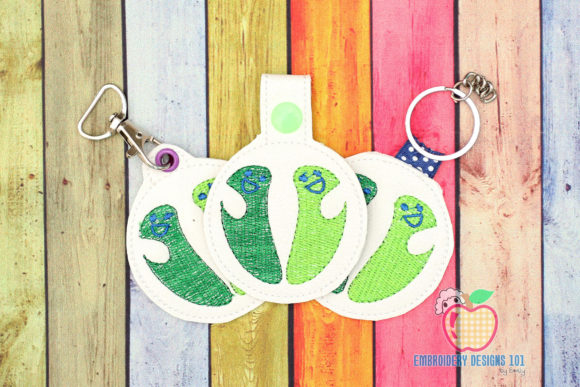
As an embroidery designer who has spent years digitizing and reviewing designs for small business merchandise, I approach every new machine embroidery design with a critical eye. It is not just about whether the artwork looks pretty on a screen; it is about how it performs under the needle, how it translates to physical products, and ultimately, how it serves the brand identity of the client using it. Today, I am reviewing the World Orphans Day Keyfob Keychain, an Inspirational piece intended for branded patch use and small-scale accessories.
This review is written specifically for small business owners, Etsy sellers, apparel decorators, and crafters who are considering adding this digital embroidery file to their library of design assets. We will look beyond the surface aesthetics to evaluate its viability for commercial use in real-world scenarios.
First Impressions: Visual Personality and Tone
The product description highlights that this cute embroidery design helps celebrate World Orphans Day, expressing care and support. From a design perspective, the term "cute" suggests a friendly, approachable aesthetic rather than a stark or corporate one. For businesses in the boutique, handmade, or creative studio sectors, this tone is invaluable. It feels warm and human-centric, which aligns perfectly with brands that prioritize community engagement and social responsibility.
When I visualize this design, I see it working best as a soft, welcoming element. It does not scream for attention with aggressive boldness but rather invites connection. This makes it ideal for small business merch that aims to build emotional rapport with customers. However, because it is categorized as Inspirational, we must ensure the execution remains professional. A design can be cute without being childish, and maintaining that balance is key to its success in a commercial environment.
Real-World Application for Small Businesses
The versatility of a keyfob design extends far beyond just keys. In my experience, small-scale embroidery files are incredibly valuable for creating high-margin add-ons and branded touches. Here is how the World Orphans Day Keyfob Keychain performs across various applications:
- Embroidered Patches: This is perhaps the strongest use case. A small, well-digitized patch can be sewn onto tote bags, denim jackets, or canvas aprons. It allows customers to buy a low-cost item that still carries significant brand value.
- Cap Embroidery: Placing this design on the side panel or even the front of a dad hat can create a subtle statement. However, curvature is a challenge here, which we will discuss later.
- Tote Bag Design: Canvas totes are staples for bakeries, florists, and bookshops. Adding this inspirational motif creates a handmade product feel that mass-produced prints cannot replicate.
- Apron Embroidery: For cafes and creative studios, staff uniforms are walking billboards. A small chest logo or sleeve detail using this design adds a layer of professionalism and warmth to the customer service experience.
- Customer Gifts: Including a keychain with a purchase increases perceived value. It transforms a simple transaction into a memorable unboxing experience.
The fact that this machine embroidery design comes with multiple embroidery files is a significant advantage. It suggests compatibility with various hoop sizes and machine brands, reducing the friction for shops with diverse equipment.
Technical Considerations and Placement Caution
While the concept is strong, technical execution is where many designs fail. As a designer, I advise caution in several areas when using the World Orphans Day Keyfob Keychain.
Stitch Density and Fabric Texture: Small designs often suffer from high stitch density if not properly optimized. If the stitches are too close together on a textured fabric like a towel or heavy canvas, the design may pucker or look cluttered. Always test on the actual fabric texture you intend to use. If the design includes fine details or tiny lettering, these may get lost or merge together during stitching. I recommend zooming in on the preview to check for clear spacing between elements.
Curved Surfaces: Applying this to cap fronts or curved sleeves requires careful hooping. Distortion is common on curved surfaces. If the design has rigid geometric lines, they may appear warped. Soft, organic shapes tend to handle curvature better. If you are new to cap embroidery, start with a flat patch application before attempting direct-to-garment stitching on curved items.
Dark Uniforms and Contrast: The description mentions it is a "cute" design, which often implies lighter or pastel thread colors. If you plan to embroider this on dark navy or black staff uniforms, you must ensure there is sufficient contrast. You may need to adjust the thread colors or add an underlay stitch to prevent the garment color from bleeding through the design. Always create a printable mockup with your specific color palette to verify visibility before production.
Impact on Brand Identity and Customer Trust
Using an Inspirational design like this does more than decorate a product; it communicates values. For a local business, supporting a cause like World Orphans Day signals empathy and community involvement. This builds brand identity rooted in trust and shared humanity. Customers are increasingly drawn to brands that stand for something beyond profit.
When executed well, this embroidery adds a tactile premium to your custom apparel or merchandise. Unlike printed ink, embroidered threads catch the light and offer depth. This sensory experience elevates the perceived quality of the finished product. Whether it is on a bakery’s apron or a boutique’s gift bag, the presence of high-quality stitching suggests attention to detail, which translates to customer confidence in your core services.
Practical Designer Notes for Production
Before you load this digital embroidery file into your machine for a large batch of commercial embroidery projects, follow these essential steps:
- Test in Black and White First: Remove color distraction to evaluate the structural integrity of the design. If it looks messy in monochrome, it will look messy in color.
- Check Hoop Size Compatibility: Confirm that the design fits comfortably within your smallest hoop with adequate margin for stabilization. Do not crowd the edges.
- Use Proper Stabilizer: For keyfobs and patches, a cut-away or heavy tear-away stabilizer is often necessary to maintain shape, especially if the item will undergo frequent handling or washing.
- Verify Commercial Licensing: The product description notes it comes with multiple files, but it does not explicitly state license terms. Always confirm with the seller that you have the right to use this design for small business merch and resale. Never assume a download includes commercial rights.
- Create Client Mockups: If you are designing for a client, place the design on a digital mockup of their specific product. This manages expectations and allows for approval before you waste thread and fabric.
In conclusion, the World Orphans Day Keyfob Keychain offers a meaningful way to integrate social awareness into your product line. It is best suited for businesses that value a handmade, personal touch. By respecting the technical limitations of small-scale embroidery and leveraging its emotional appeal, you can create impactful brand identity pieces that resonate with your audience. Remember, the success of any machine embroidery design lies not just in the file itself, but in the thoughtful application and quality control you bring to the production process.