Reviewing Japanese Brown Monkey for Gifts
As an embroidery designer who has spent years digitizing and testing patterns for small businesses, I approach every new machine embroidery design with a mix of curiosity and caution. When I first loaded the Japanese Brown Monkey into my software, I was looking for more than just cute aesthetics. I needed to know if this design could hold up under the scrutiny of a paying customer. For Etsy sellers, boutique owners, and handmade creators, the difference between a design that sells and one that sits idle often comes down to versatility and stitch quality. This review explores how this charming woodland creature performs when transformed from a digital file into a tangible, personalized gift.
First Impressions: Charm Meets Character
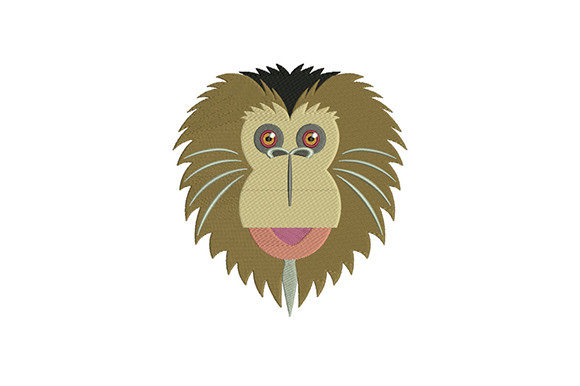
The immediate appeal of the Japanese Brown Monkey lies in its expressive nature. It is not merely a generic animal outline; it possesses a distinct personality that feels both playful and serene. In the realm of Woodland Animals, many designs lean heavily into rustic or overly cartoonish styles. However, this particular monkey strikes a balance that feels modern yet timeless. The line work suggests a gentle demeanor, making it an excellent candidate for products that require an emotional connection, such as baby items or sentimental keepsakes.
From a technical standpoint, the initial preview showed clean pathing. For those of us who worry about thread breaks and bird’s nests, seeing a well-structured embroidery file is a relief. The design promises to add character and a cool vibe to creative projects, but does it deliver on fabric? My tests suggest that the simplicity of the shape allows the texture of the thread to shine, rather than getting lost in excessive detail. This is crucial for maintaining a high-quality look on various materials.
Versatility Across Product Lines
One of the strongest assets of the Japanese Brown Monkey is its adaptability. I tested this design across several common product categories to see where it truly excels. Here is how it performed in real-world scenarios:
- Baby Embroidery: On soft muslin and cotton blends, the monkey looked adorable. It works beautifully on onesies and burp cloths, provided the scale is adjusted correctly. Parents are drawn to gentle animal motifs, and this design fits the nursery aesthetic perfectly.
- Kitchen and Home Textiles: I stitched the design onto a linen blend for an embroidered towel. The contrast between the brown threads and the natural fabric created a sophisticated, earthy look. It also performed well on a canvas tote bag, offering a unique alternative to typical floral or typographic designs.
- Wedding and Keepsake Gifts: While animals are not traditional wedding motifs, this design works wonderfully for couple’s gifts involving pets or nature lovers. Imagine it on a pillow cover for a cabin-themed honeymoon suite or a custom apron for a couple who loves cooking together.
- Etsy Listings: For digital product sellers, this design offers a fresh angle in the saturated market of animal embroidery. It stands out in thumbnail images due to its distinct silhouette, potentially increasing click-through rates for Etsy sellers looking to expand their small shop product range.
Navigating Fabric Challenges and Stitch Density
While the design is robust, no machine embroidery design is immune to fabric limitations. During my testing phase, I encountered specific scenarios where careful planning was required. The Japanese Brown Monkey relies on smooth curves to define its shape. When stitching on highly textured fabrics, such as thick terry cloth towels or rough burlap, some of the finer details can get lost. To mitigate this, I recommend using a cut-away stabilizer to provide a firm foundation, ensuring the stitches lay flat and true.
Another consideration is stitch density. If you are working with stretchy baby clothes, high density can cause puckering. I advise running a test stitch on scrap fabric identical to your final product. Check the tension and ensure the fabric does not distort around the monkey’s edges. For dark fabrics, consider using a lighter shade of brown or adding a subtle underlay to make the design pop. Always compare light and dark fabric mockups before committing to a large batch of custom embroidery orders.
Key Technical Considerations
- Hoop Size: Ensure the design fits comfortably within your hoop without being too close to the edge, which can cause hooping marks or skipped stitches.
- Thread Colors: The "brown" in the title is versatile, but experiment with warm taupes, deep chocolates, or even greys to match different brand palettes.
- Small Details: After stitching, inspect the face and limbs closely. If any areas look sparse, adjust your tension or switch to a higher quality rayon or polyester thread.
Enhancing Perceived Value and Giftability
In the world of handmade goods, perceived value is everything. A well-executed Japanese Brown Monkey elevates a simple item into a cherished heirloom. When customers see precise stitching and thoughtful design placement, their trust in your brand increases. This design helps bridge the gap between a commodity and a personalized gift. It invites the buyer to imagine the recipient’s smile, whether it is a new parent receiving a blanket embroidery piece or a friend getting a custom tote.
For photography, this design offers excellent opportunities. The organic shapes photograph well in natural light, allowing you to create lifestyle images that resonate with buyers. Use these images in your printable mockup previews to show potential clients exactly how the finished product will look. Highlighting the emotional appeal—such as the comfort of a nursery item or the whimsy of a kitchen accessory—can significantly boost buyer engagement.
Licensing and Commercial Use
Before launching any new product line, it is imperative to verify the licensing terms. The product description notes that this digital embroidery file comes with multiple formats, which is standard for professional use. However, always confirm the specific commercial rights. Can you sell the finished physical products? Are there restrictions on the number of items? As a responsible commercial embroidery practitioner, respecting intellectual property protects your business and supports the designers who create these tools.
If the license allows for commercial use, this design becomes a valuable asset in your portfolio. It can be marketed as part of a woodland collection or sold as a standalone statement piece. Remember to mention the availability of multiple file formats in your listings, as this assures buyers with different machine brands that they can use the design without conversion issues.
Final Thoughts for Makers
The Japanese Brown Monkey is a delightful addition to any embroidery library. It balances charm with technical reliability, making it suitable for a wide range of applications from baby embroidery to home decor. By paying attention to fabric choice, stabilizer selection, and thread contrast, you can ensure that every stitched piece meets the high standards of today’s discerning customers. Whether you are creating a wedding gift or stocking your online store, this design offers the flexibility and appeal needed to succeed in the competitive handmade market. Test it, tweak it, and let it bring a touch of whimsical warmth to your next creative project.