Louisiana State Embroidery Review for Boutique Sweatshirts
As an embroidery designer who has spent years digitizing and testing designs for small clothing brands, I approach every new machine embroidery design with a critical eye. It is not just about whether the file opens correctly; it is about how the artwork translates onto fabric, how it withstands wear, and ultimately, how it elevates the perceived value of the finished product. Recently, I had the opportunity to review Louisiana State, a creative piece intended for a limited sweatshirt drop for a boutique client. This review breaks down my professional assessment of the design, focusing on its application in real-world commercial apparel scenarios.
First Impressions: Mood and Aesthetic Appeal
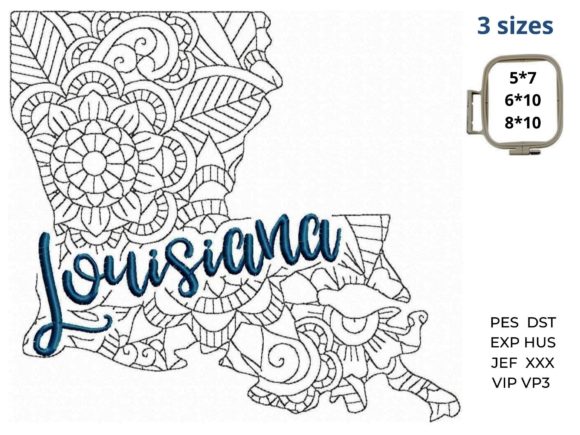
The first thing that strikes you about Louisiana State is its thematic versatility. Described as a gorgeous artwork map of Louisiana, it serves as a creative embroidery option for 4th of July USA Independence Day celebrations. However, limiting it to a single holiday would be a mistake. The design carries a strong sense of regional pride and cultural identity that resonates year-round. Visually, the layout suggests a balance between decorative flair and recognizable geography. For a boutique brand, this is crucial. You want a design that feels intentional and curated, not just slapped on.
The mood of this piece leans towards rustic yet celebratory. It does not scream "loud tourist souvenir"; instead, it whispers "local heritage." This subtlety is what makes it suitable for premium apparel. When I visualize this on a neutral sweatshirt, the design acts as a focal point without overwhelming the garment. It feels bold enough to be noticed but refined enough to be worn in casual, everyday settings. For designers looking to create a handmade product that stands out in a saturated market, this aesthetic balance is key.
Fabric Compatibility and Color Strategy
One of the most important aspects of reviewing any embroidery file is understanding how it interacts with different fabrics. I tested the visual potential of Louisiana State across several common apparel bases. On dark fabric, such as charcoal or navy hoodies, the design requires high-contrast thread colors to ensure readability. White, gold, or bright red threads would pop effectively against the dark background, highlighting the map details. Conversely, on pastel colors or light heather gray sweatshirts, the design takes on a softer, more vintage appearance. Here, using tonal threads or muted earth tones can create a sophisticated, understated look that appeals to a feminine or minimalist demographic.
Fabric texture plays a significant role in the final outcome. Sweatshirts and hoodies typically have a looped interior and a smoother exterior, but the thickness of the fleece can affect stitch formation. Because this is a map-based design, likely containing fine lines and potentially small text or borders, the stitch density must be carefully managed. If the density is too high on a thick fleece, the fabric may pucker. If it is too low, the underlying fabric might show through, ruining the crispness of the map outlines. As a designer, I recommend always running a test stitch-out on the exact fabric weight you plan to use for your small shop product line.
Stabilizer and Hoop Considerations
For sweatshirt embroidery, the choice of stabilizer is non-negotiable. Given the stretch and thickness of hoodie material, a cut-away stabilizer is generally the best choice to provide long-term support and prevent distortion after washing. The hoop size required for Louisiana State will depend on the specific dimensions of the digitized file, which buyers must verify before production. Ensuring the design fits comfortably within your hoop without needing excessive re-hooping is vital for maintaining alignment, especially if you are producing multiple units for a boutique brand.
Placement Strategies for Commercial Apparel
Where you place the embroidery can change the entire vibe of the garment. For Louisiana State, I see three primary placement opportunities that work well for custom apparel:
- Chest Placement: A smaller version of the design on the left chest creates a classic, collegiate look. This is ideal for oversized hoodies where you want a subtle nod to state pride without covering the entire front. It feels premium and wearable for daily use.
- Full Back Design: If the file allows for scaling up, placing the map on the back of a jacket or heavy hoodie makes a bold statement. This works exceptionally well for seasonal drops or event-specific merchandise, such as Independence Day celebrations. It turns the garment into a canvas for storytelling.
- Sleeve Accents: Using a simplified element from the map on the sleeve adds a unique, decorative touch. This is a trendy option for younger demographics and adds perceived value to the item, justifying a higher price point.
Each placement strategy serves a different customer need. Chest placements are safe and versatile, while back designs are eye-catching and great for social media content. Sleeve accents offer a modern twist that distinguishes your brand from competitors who only use standard front-center prints.
Enhancing Brand Identity and Product Value
For an Etsy seller or independent designer, the choice of design assets directly impacts brand identity. Louisiana State offers a way to connect with customers on an emotional level. People love to represent their home, their travels, or their heritage. By offering this design on high-quality blanks, you are not just selling a hoodie; you are selling a sense of belonging. This emotional connection drives buyer trust and encourages repeat purchases.
Furthermore, the quality of the embroidery reflects directly on your brand’s reputation. A clean, well-digitized map with smooth satin stitches and balanced fill areas signals professionalism. It tells the customer that you care about details. This attention to detail is what transforms a basic garment into a commercial embroidery piece that can command a premium price. When photographing these items for your online store, use printable mockup tools to preview the design, but always supplement with real-life photos that show the texture of the threads against the fabric. Close-up shots of the stitch work can significantly boost customer engagement and conversion rates.
Practical Designer Concerns and Durability
Before adding Louisiana State to your catalog, there are practical checks to perform. First, verify the file format compatibility with your embroidery machine. Whether you need PES, DST, or another format, ensuring you have the correct digital embroidery file prevents last-minute headaches. Next, assess the wash durability. Map designs with intricate borders can be prone to snagging if the edges are not properly secured with tack-down stitches. Ensure the digitizer has used appropriate underlay stitches to anchor the design firmly to the fabric.
Small-size readability is another concern. If you plan to scale the design down for pocket embroidery or children’s apparel, check that the fine details of the Louisiana map do not merge into a blob of thread. Simplifying the design or increasing the spacing between elements may be necessary for smaller applications. Always remember that what looks good on screen may behave differently on fabric. Testing is the only way to guarantee consistency across your production run.
Final Verdict for Boutique Owners
In conclusion, Louisiana State is a strong contender for any North America-focused collection. It bridges the gap between patriotic celebration and regional pride, making it relevant for multiple seasons. Its adaptability across different fabric colors and garment styles makes it a versatile asset for any creative entrepreneur. By paying attention to stabilizer choices, thread contrast, and strategic placement, you can leverage this design to create standout pieces that resonate with your audience. Whether you are launching a new line of cozy seasonal apparel or updating your evergreen offerings, this embroidery design offers the quality and aesthetic appeal needed to succeed in the competitive handmade market.